We live connected almost all the time and it has a quiet cost even too much.
Notifications, excess information and the feeling of being always "late" help create a scenario where focus became rare resource and mental health has become impacted by the very way we use technology.
In this context, a discrete movement has been gaining strength: analog life. Not like digital rejection, but like counterpoint required.
What is analog life (and what it is not)
Analog life does not mean abandoning technology, using old cell phones, or living disconnected from the world. It means create intentional offline spaceswhere:
These are moments when attention is not disputed. And that makes a difference.
Why are we losing focus?
The human brain is not designed to alternate context dozens of times per hour. And that's exactly what we do when:
We text while we work,
We switch between tabs without completing tasks,
We checked notifications by habit, not by necessity.
This pattern generates:
mental fatigue,
difficulty concentrating,
feeling tired constantly,
increased anxiety.
Clearly the loss of focus is a consequence of the digital environment.
The relationship between analog life and mental health
Offline activities create something increasingly rare: continuous attention. When you read a physical book, write by hand or practice a manual hobby, the brain enters a different state:
This state helps to:
reduce anxiety,
improving emotional regulation,
strengthen memory and concentration,
decrease the feeling of overload.
Analog life is not therapy, but it works as mental hygiene.
Hobbies offline that help you recover focus
There is no ideal hobby. There is one who creates enough silence for the mind to breathe.
Some common examples:
📚 Physical reading
✍️ Handwritten
Organization of thought
Reduction of rumination
Emotional clarity
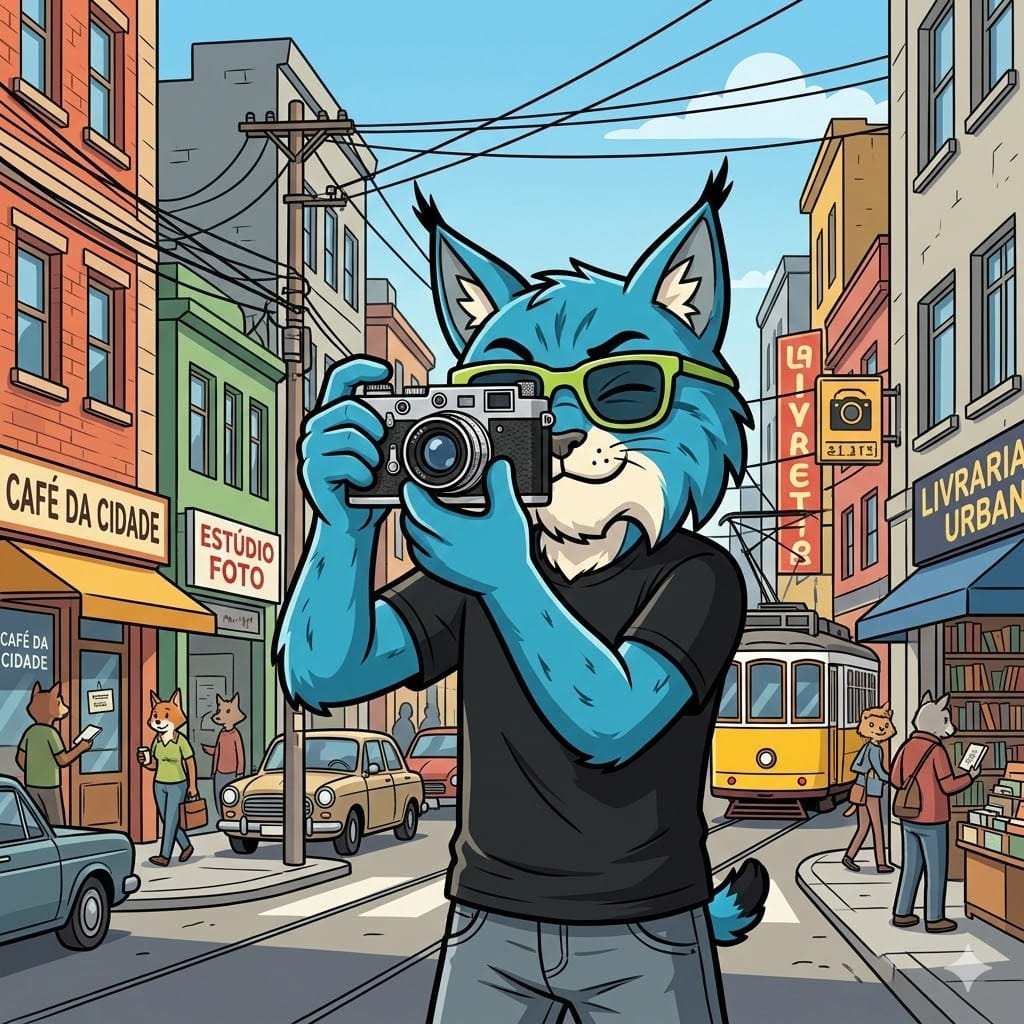
📷 Analog photography
Active observation
Presence at the moment
Less immediate
🎨 Manual activities (drawing, painting, ceramics)
Sustained focus
Coordination
Real progress sensation
🚶 Walks without headphones
Mental Processing
Reduction of stimuli
Mind the environment
The common point is not the hobby itself, it is the absence of digital metrics.
Why offline hobbies work better than passive digital pauses
Changing social networks for streaming is not real rest.
Although it seems relaxing, this type of consumption continues:
Offline Hobbies require active participation.
And that gets the brain out of constant alert mode.
Analog life is not all or nothing
No need to radically change your routine.
Small adjustments already generate impact:
20 minutes of reading without cell phone per day
a weekly walk without headphones
an offline hobby booked for the weekend
The goal is not to reduce technology, but yes reducing noise.
The role of analog life in digital balance
Technology is not the problem.
The problem is when she occupies all the spaces.
Analog life creates healthy limits:
Not everything needs to be online.
And not everything needs to be given.
Conclusion: focus is also grown off screens
Retrieving focus and mental health does not require complex solutions.
It often demands only less stimuli and more presence.
Offline Hobbies are not escape from the modern world.
They're a conscious way to stay in it without getting lost.
In Pryve, we believe that digital balance begins when you choose, with intent, when connected and when not.